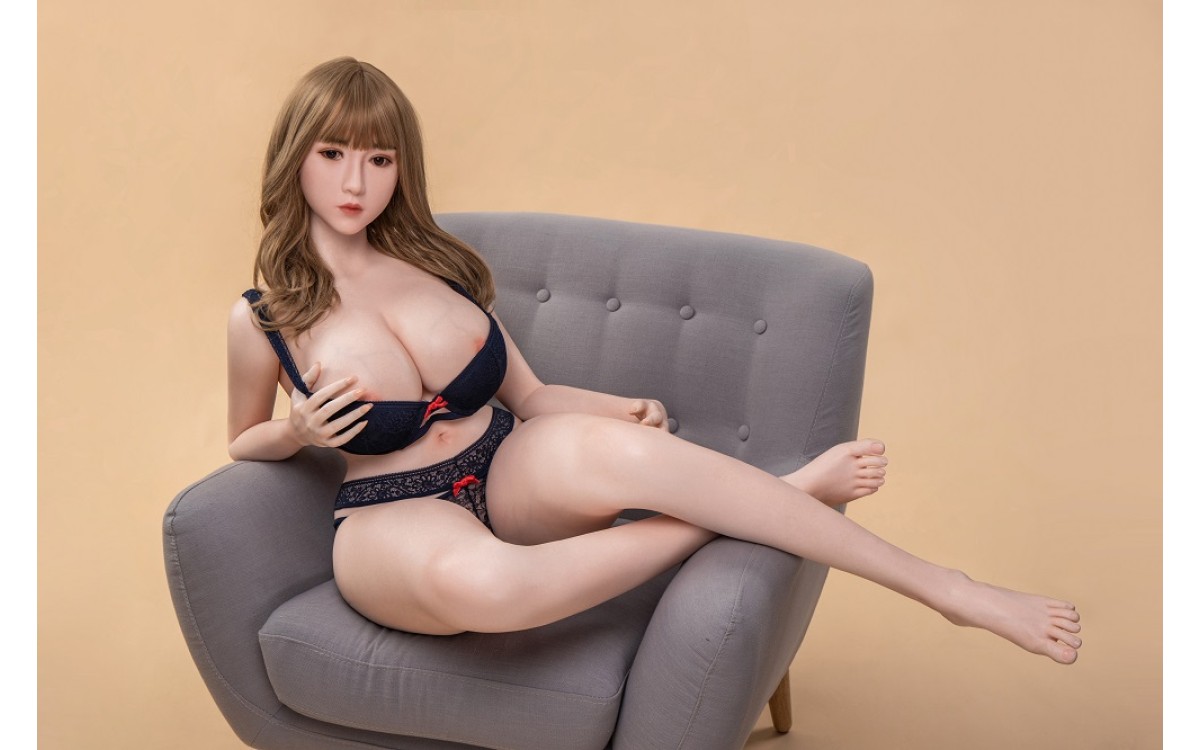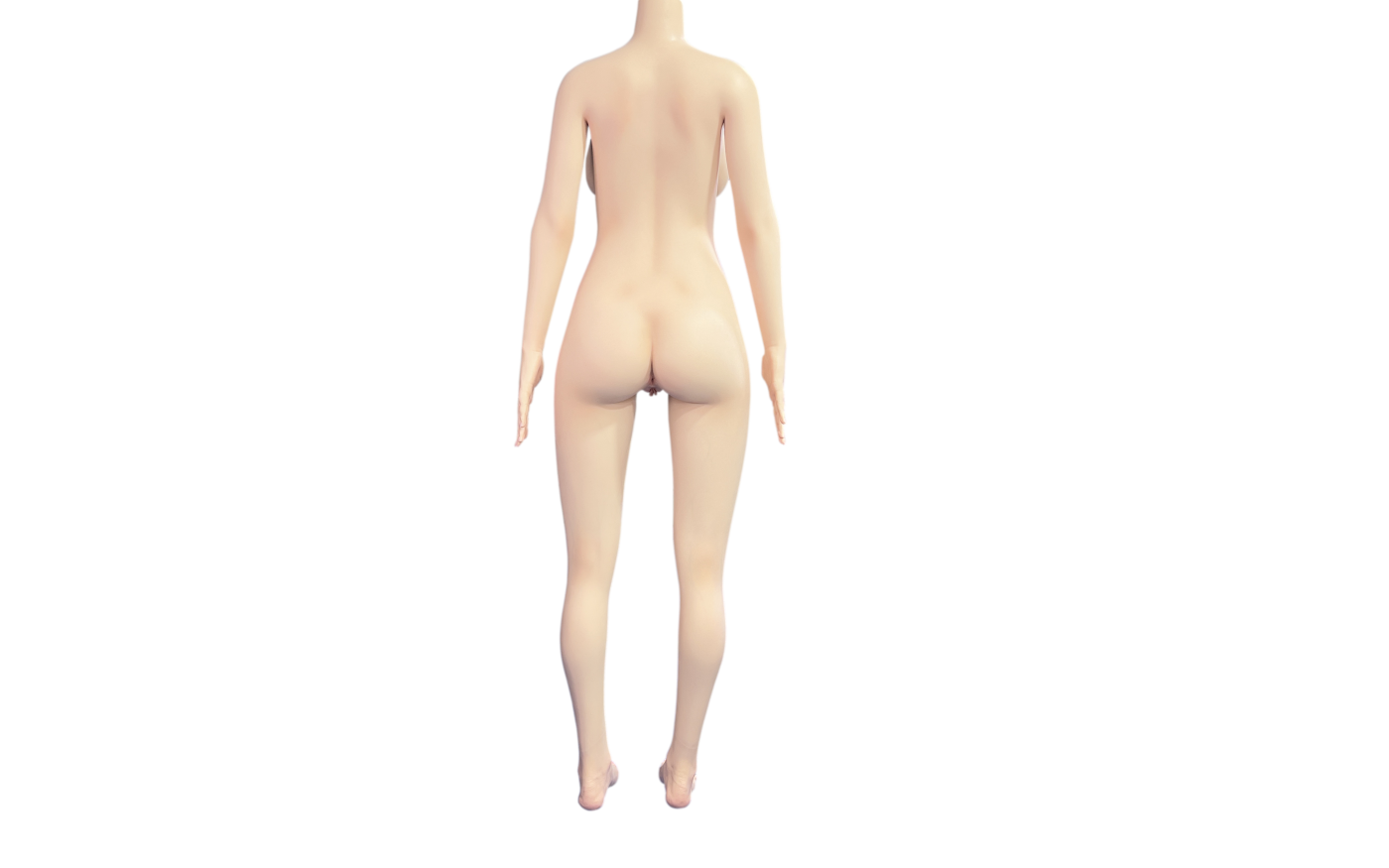
1. Image source: Three common images
in the industry- . Official images from manufacturers: Unified by the brand, shared across all channels. Advantages include professional composition and complete parameters; The downside is that the lighting and lenses have been optimized and generally lean toward "idealization."
- Merchant photos: Dealers take their own photos. They are more realistic, but the quality of the photos varies, and some sellers beautify them in post-production based on actual shots.
- Buyer Photos/User Returns: The highest authenticity, because the shooting environment is your home. The downside is that the quantity is small and angles are arbitrary, often missing key parts.
correct order for viewing photos: first check the official images to confirm the style and proportions, then check the seller's actual photos for details, and finally focus on buyer photos—especially those with natural light, full-body frontal angles, and no filters. If a product page only has official images and no real photos or buyer showcases, the caution level should be raised by at least one level.
2. Filming and Post-production: Which processes are acceptable?
Not all post-production equals deception. Three levels need to be distinguished:
acceptable ones: cropping, background removal, unified color levels, and size compression. This treatment does not alter the product's form or color.
Warnings:
- Over-adjustment of skin tone or hair color—if you turn yellowish skin to pink-white or light blonde hair to bright gold, you might feel "this isn't the color" upon arrival.
- Lens distortion: Close-up wide-angle shots may elongate your legs and enlarge your bust proportions. This is the most common and hidden form of distortion
- body shaping: partial liquefaction, erasing waist creases, narrowing and widening
that clearly violate regulations; using AI-generated images to pass off real shots, topping with other styles of photos, only partial close-ups without full-body proportions.
Tips for judging by yourself: check if the shadow direction is consistent (natural light can't capture shadows from two directions), check if skin details have normal pores and texture (excessive skin smoothing can look plastic), and check if the perspective relationships between different styles under the same set are consistent (matching means the same camera is actually shot).
3. Pre-warehouse verification: turning the "chart" into a "verifiable list" Viewing
the chart only reduces risk; true avoidance of discrepancies depends on verification. It is recommended to make a list of the four types of information on the product page before placing an order:
- Height/Weight/Measurements: must match the proportions you prefer, and pay attention to distinguishing between "body data" and "head data."
- Material and frame: TPE or silicone, whether the skeleton is movable, and the range of joint motion (which determines whether the posture can be achieved).
- Configuration items: Check if the head model matches the model (many doll head models are optional separately from the body), hair color wig model, and whether it includes a stand
- . Included accessories: includes a list of wigs, underwear, and cleaning tools to avoid issues after delivery.
you receive the goods, check each item according to this list. Verify first, then unseal the inner packaging. If you find discrepancies with the page labels (especially hard parameters like height, material, or head model), keep the unboxing video and photos of the outer box, and apply for after-sales service based on the labeling—this is the strongest evidence.
Miqu's approach to physical doll categories is: each model provides three types of image sources: official images, in-store photos, and buyer return images, clearly indicating which type belongs to; Product pages require listing height/measurements/material/frame/head model number and a list of random items; They clearly promise that if the parameters do not match, after-sales service can be requested. Images don't replace checklists; checklists are what you can check.
16-character mnemonic
:look at three images together, parameters prevail; Verify first, then dismantle, keep evidence before discussing.