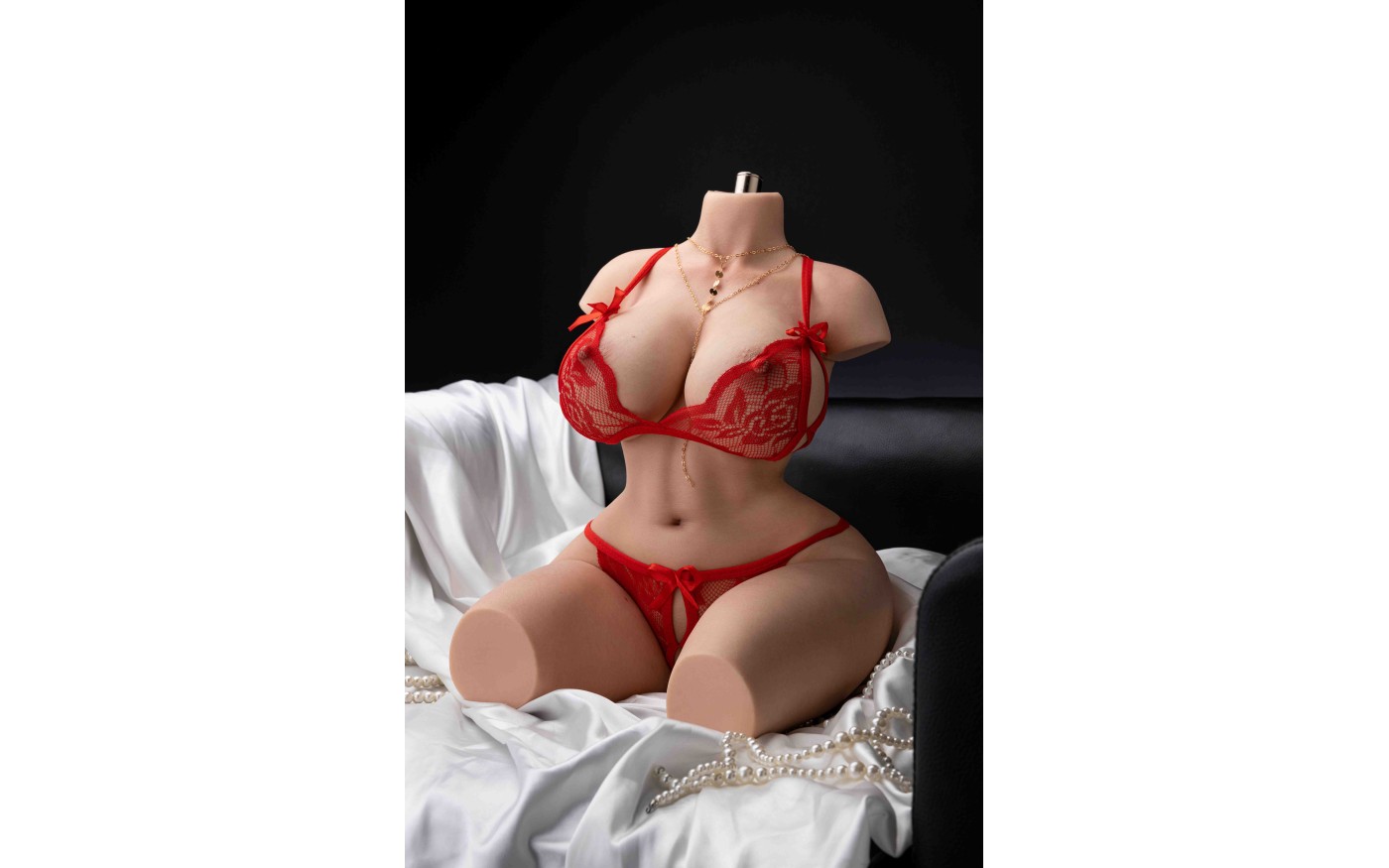
Observation 1: As more people live alone, the demand structure is changing accordingly.
Theproportion of people living alone is rising, and the age at marriage and childbearing is delayed—this is the most fundamental change. In a person's life, the weight of "self-care" has increased—cooking, fitness, sleep, emotional management—all fall into this category, with private needs being just one part of it. When it is categorized as "taking care of yourself" rather than "venting," the consumer mindset changes completely: more values hygiene, materials, and experience than cheapness or fleeting novelty.
Observation 2: Online channels have matured, solving the issue of "embarrassment."
Ten years ago, buying these products required face-to-face contact; now the entire process is online + neutral packaging + private waybills, reducing social costs to almost zero. This is the most direct technical reason for consumption growth.
Channels have never solved product problems, but rather shame. Interestingly, the same group of users has much higher privacy requirements than price sensitivity—"whether the family will find out" is the primary concern, which directly promotes the popularization of services like confidential shipping and self-pickup at stations.
Observation 3: Product logic is changing, shifting from "function" to "experience and aesthetics."
Theearly product logic was simple: intensity of stimulation. Now, the differences are obvious:
- Material and safety: medical-grade silicone, odorless, and removable and washable as the basic threshold;
- Quietness and privacy: The shared rental scenario has created a real demand for decibel metrics;
- Aestheticization: Packaging, color schemes, and design concepts begin to influence purchasing decisions, turning products from "tools" into "personal items";
- Maintainability: Whether it can be disassembled and washed, and whether spare parts are available, determines repeat purchases and reputation.
The essence of this shift is that users begin to see themselves as people who need to be treated well, rather than as problems that need to be "solved."
Observation 4: Health awareness is moving forward, but there are still significant gaps
in change. On the positive side, more and more people are paying attention to lubricant ingredients, cleaning frequency, material safety, and even actively understanding how frequency of use affects physical and mental health.
The gaps are also obvious:
1. Common hygiene misconceptions: alcohol disinfection, scalding with boiling water, and storing in wet storage remain frequent mistakes (see our article "5 Common Misconceptions");
2. Many health rumors: "The more you use it, the more sensitive you become" or "It delays exercise," claims like "Lack reliable evidence" but are widely circulated;
3. Insufficient medical awareness: When persistent discomfort occurs, many people still choose to endure it or seek consultations online rather than visiting formal medical institutions.
A bit of an industry-level perspective
: The healthy development of this category depends on three things: transparency of materials and information (clearly labeling the material), standardized privacy protection (packaging, waybills, data all considered private), and compliance of promotional content (no exaggeration of efficacy, no objectification of users).
In short: single men's private spending is shifting from "secretly addressing needs" to "taking care of themselves"—a change that is more worth recording than any number.