Observation 1: From "hidden shelves" to "everyday consumption" In
the past, these kinds of goods were hidden in corners of small shops on the street, relying on shame to complete transactions; Today, online channels dominate the mainstream, with ordering, logistics, and packaging all following standard consumer product processes. When the purchasing process no longer requires facing human gazes, the needs first truly emerge.
Observation 2: The most obvious change in the changing consumer demographic
structure is the increase in the proportion of female consumers, with female-oriented categories generally growing faster than male-oriented categories. The reasons are not complicated: the popularization of sexual health knowledge, increased bodily autonomy, and the rise of "self-pleasure" consumption. Young people are the main force, and discussions have shifted from taboo to openness.
Observation 3: Product logic shifts from "function" to "experience and aesthetics."
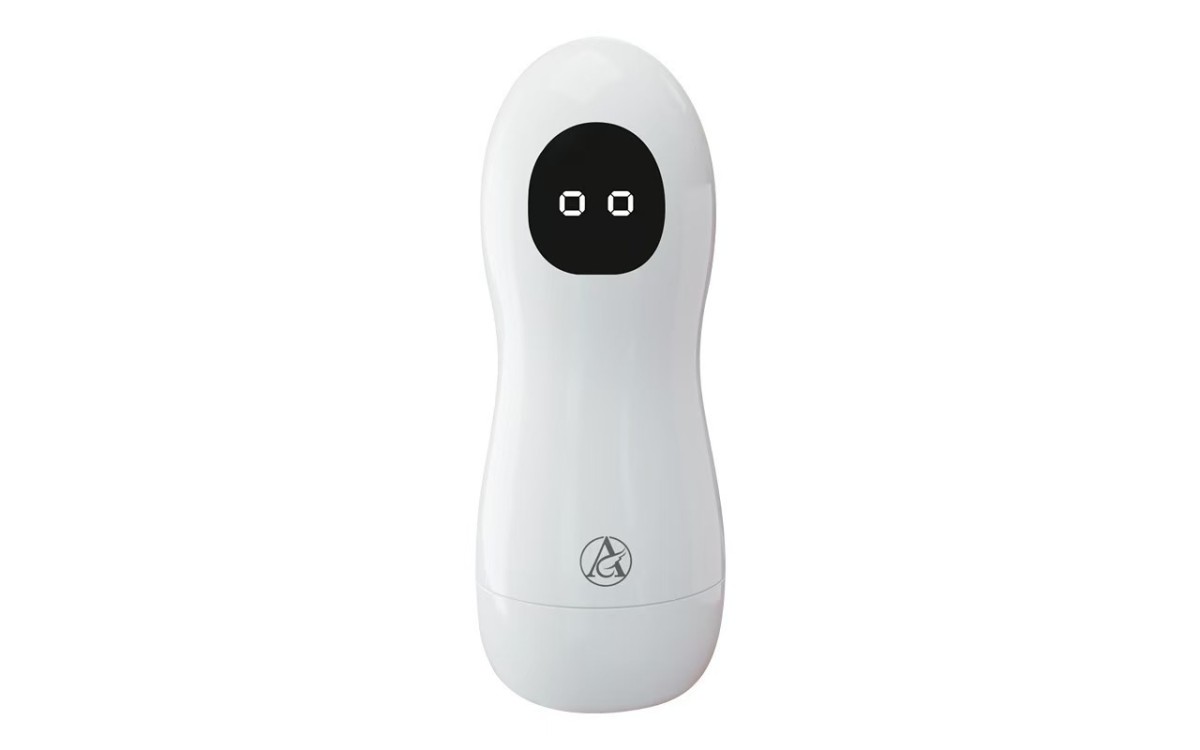
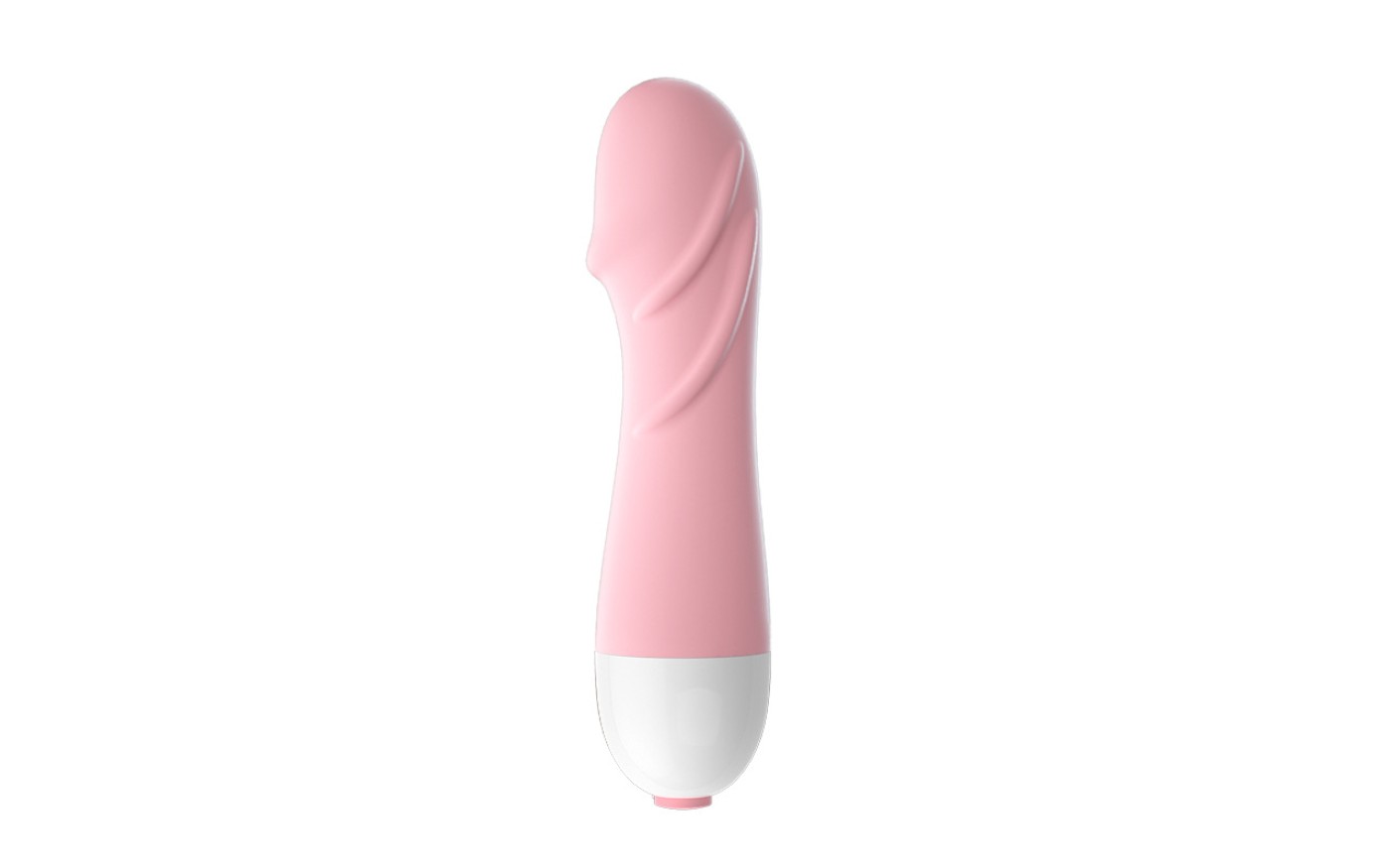
Silent design, medical-grade materials, app control, and everyday appearance—these improvements share the common goal: making it look and feel like a normal modern consumer product. Marketing language is also becoming more eroticized, shifting focus to security, privacy, and user experience.
Observation Four: Four Drivers of Change
1. The popularization of sexual health and popular science content lowers the information barrier;
2. Increase in people living alone and small families, expanding personal consumption scenarios;
3. Mature logistics and privacy protection, eliminating concerns about being "seen";
4. Social media has turned "shameful topics" into public discussions.
Observation 5: Prejudice remains, and the industry has problems too
. Destigmatization does not mean the problem disappears. The generational and small city differences in attitudes remain obvious, and many people are still reluctant to discuss it openly. There are also chaos within the industry: unregulated products, refurbished resales, false advertising, and privacy leaks. These are issues that require regulation and industry self-discipline to resolve, not through moral criticism.
A more mature approach is
totreat it as an ordinary consumer product: care about its safety (materials and qualifications), compliance (channels and after-sales), and privacy protection, rather than making moral judgments first. At the same time, the line between age restrictions and youth protection should not be overlooked in any discussion.
Summary
in one sentence: Products themselves have no moral attributes; only informal, voluntary, and safe usage can be achieved. When talking about it no longer requires lowering your voice, it shows that our understanding of the word "adult" has become more mature.